Coco Chanel
There are designers whose clothes you admire, and then there are designers whose way of seeing the world somehow feels familiar to your own.
For me, that has always been Coco Chanel.
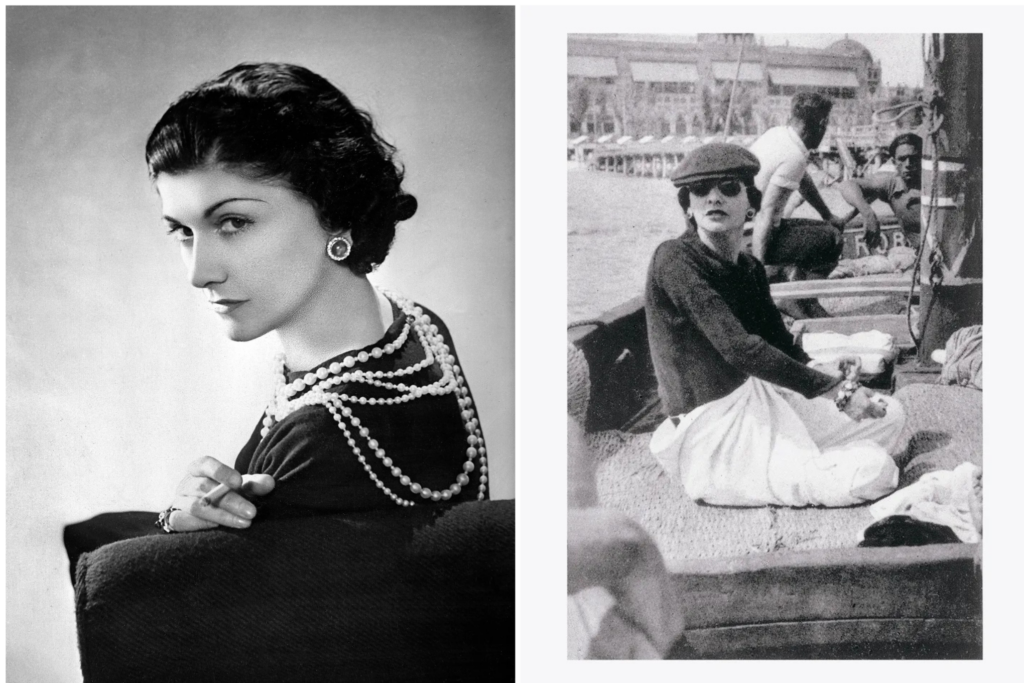
I have loved Chanel since I was a teenager. I don’t think it was ever simply the clothes that fascinated me. It was the woman. Her eye. Her independence. Her ability to look at something that everyone else accepted as the norm and simply decide that she saw it differently.
Last night I watched the BBC’s Arena: Coco Chanel Unbuttoned again, and it reminded me all over again why she has held such a place in my imagination for so many years.
I’ve read quite a few books about Chanel, but Justine Picardie’s Coco Chanel: The Legend and the Life remains the one I find the most honest and inspiring. There are so many versions of Chanel’s story that it can be difficult to separate the woman from the legend, but Picardie manages to show the complicated person behind the extraordinary image.
And perhaps that is what I find so interesting.
Chanel, A Woman Who Started With Almost Nothing
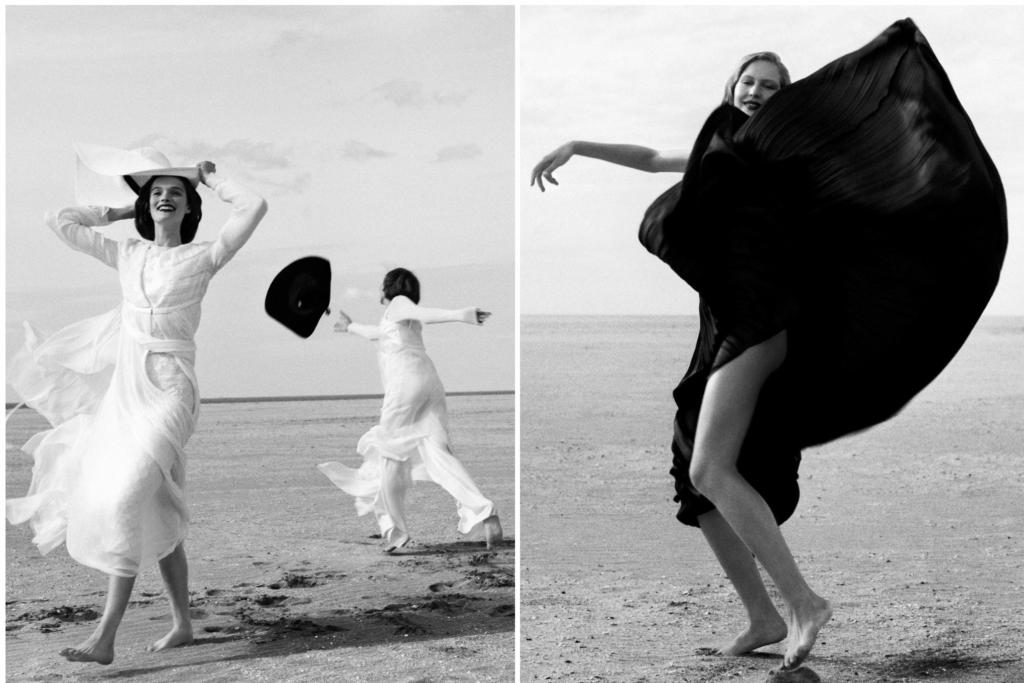
It is easy now to think of Chanel as though she was born into the world of Paris fashion.
She wasn’t.
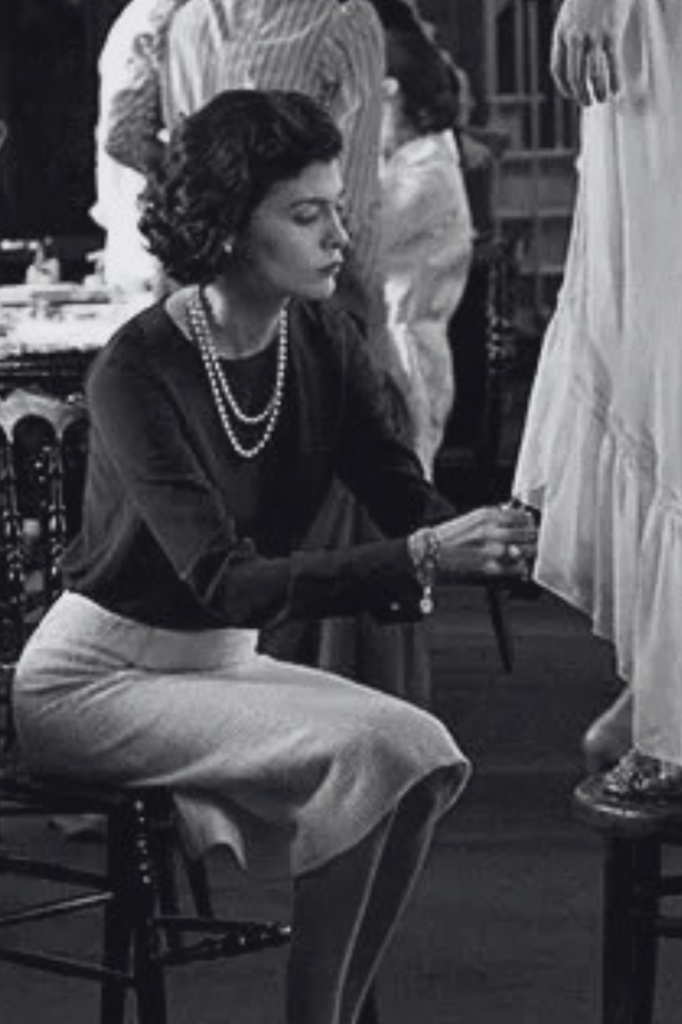
Gabrielle Chanel came from a poor rural background and, after her mother’s death, spent much of her childhood in an orphanage run by nuns. From those beginnings she went on to become one of the wealthiest women of her generation — at a time when women in France did not even have the right to vote.
I think that fact is extraordinary.
She wasn’t born into the world she eventually conquered.
She created her own place in it.
And she did so in a period when the world was still overwhelmingly controlled by men.
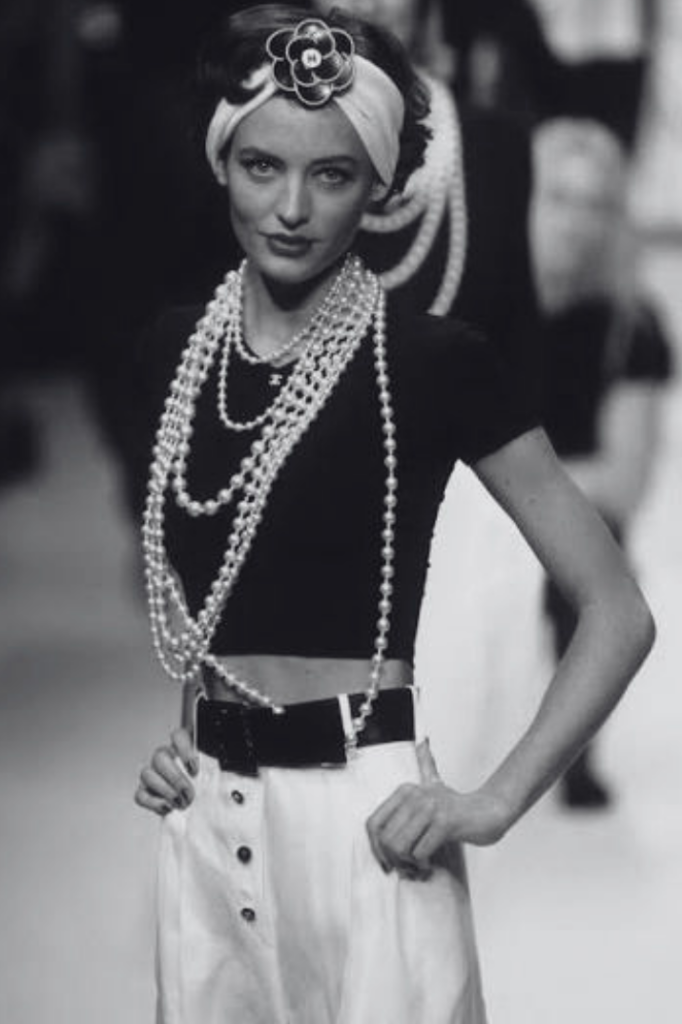
Chanel Didn’t Just Change Fashion — She Changed Women
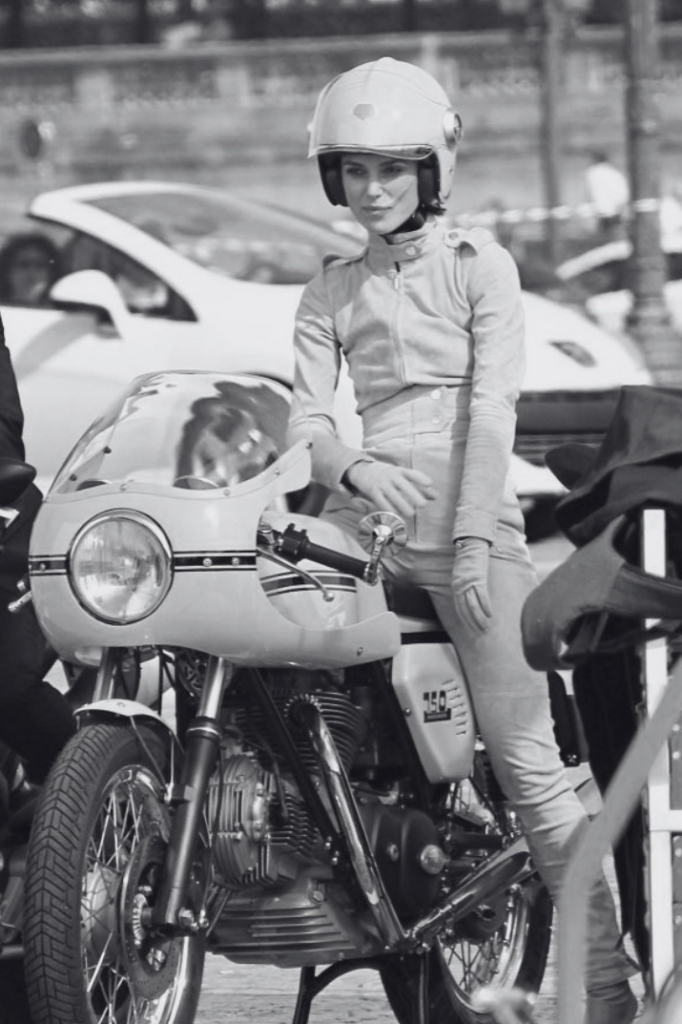
This is the part of Chanel’s story that has always fascinated me most.
She didn’t simply design a new dress.
She changed the relationship women had with their clothes.
When Chanel began designing, women’s fashion was still heavily influenced by corsetry, restrictive undergarments and elaborate silhouettes. Clothes could dictate the shape of the female body and, in many ways, dictate how a woman was expected to behave within that body.
And then Chanel came along and loosened everything.
Thank goodness.
She brought in a new shape.
A more natural silhouette.
Clothes that allowed women to move.
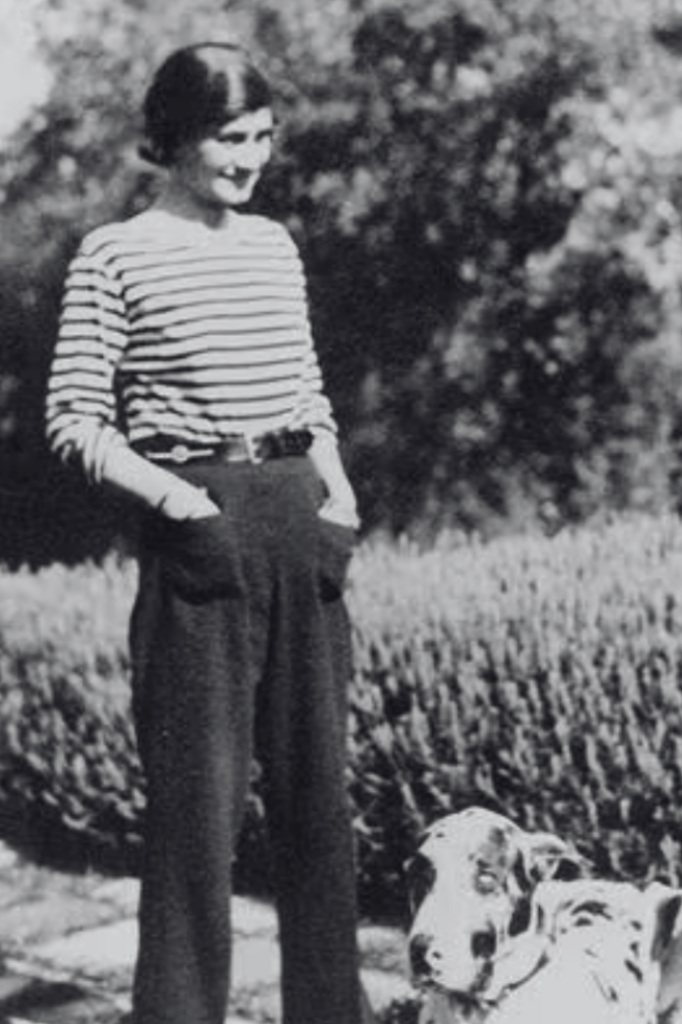
She took inspiration from men’s clothes, sportswear and practical fabrics and turned them into something elegant and desirable for women.
I think I have always understood that instinct in her because I have always had something similar in my own wardrobe.
I Have Always Felt I Understand Chanel
There are so many times when I actually feel more comfortable in a man’s piece of clothing.
I love playing around with masculine styles and bringing them into my own wardrobe while still feeling completely feminine and elegant.
Give me a man’s shirt and I am happy.
I love nothing more than wearing one to bed, or throwing an oversized man’s shirt over my bikini on the beach.
There is something about the looseness of it that feels incredibly chic.
I love a tuxedo shirt with slim-fitting jeans, or with a short black skirt. The contrast between the masculine shirt and the shape of a woman’s body is, to me, much more interesting than dressing head-to-toe in obviously feminine clothes.
And one of the outfits I remember receiving so many compliments on was a vintage men’s Aquascutum trench coat.
It was a man’s coat.
But worn with my own styling, it felt completely feminine.
That is something I think Chanel understood instinctively.
You don’t have to wear something traditionally feminine to feel like a woman.
Sometimes it is the masculine piece that makes you feel most confident.
She Knew Her Own Mind
The more I read about Chanel, the more I realise that this was perhaps her greatest quality.
She knew her own mind.
She didn’t appear to need everyone else to agree with her before she trusted her instincts.
And that was extraordinary for a woman of her time.
She was operating in a male-dominated world and yet became an extraordinarily wealthy and influential woman before women even had the political freedoms we take for granted today. The documentary describes her as arguably the original influencer — someone whose image, lifestyle and ideas became as powerful as the clothes she created.
She understood something that many designers still struggle to understand.
A brand isn’t simply what you make.
It is how you see the world.
The Little Black Dress
The little black dress is probably one of the greatest examples.
Black had traditionally carried associations with mourning, but Chanel transformed it into something completely different.
Elegant.
Simple.
Modern.
And incredibly sexy without needing to be revealing.
That is what I love about Chanel.
She didn’t need excess.
She understood that sometimes removing something makes it more powerful.
The line of a dress.
The cut of a jacket.
A string of pearls.
A black and white palette.
Nothing needs to shout.
And Then There Was The Chanel Suit
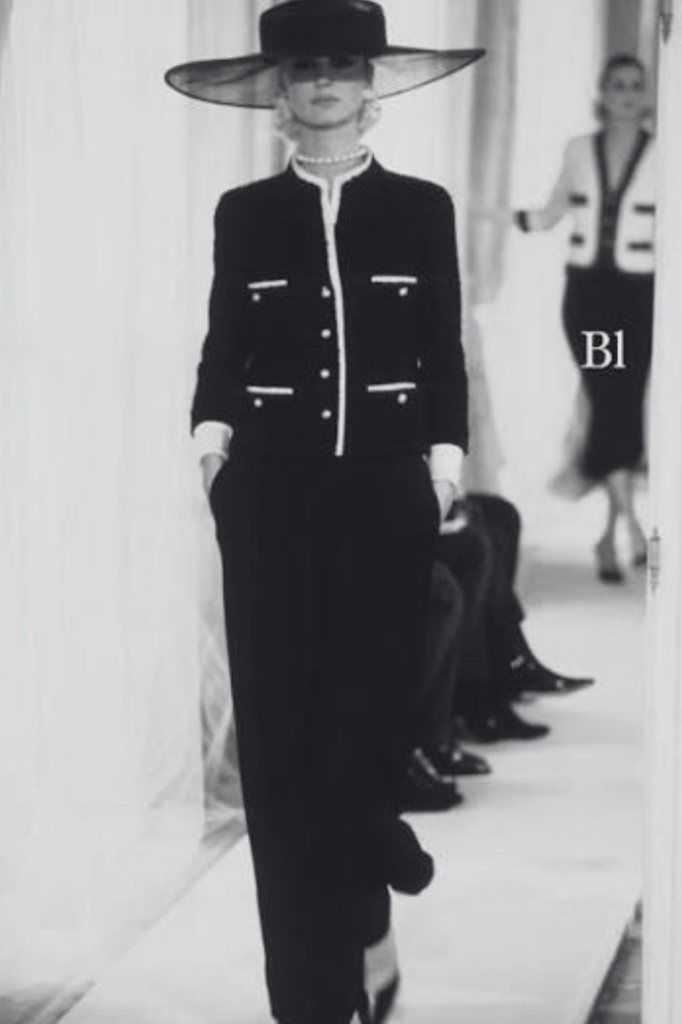
The Chanel suit became another revolution.
The jacket borrowed from menswear but was softened and shaped for a woman’s body. The skirt allowed movement. The whole idea was elegant but practical.
Again, she was taking something from the masculine world and making it hers.
That masculine-feminine contrast feels so natural to me.
Perhaps because I have always dressed that way without really thinking about it.
I don’t want to look masculine.
I simply love masculine pieces.
There is a difference.
From The Scottish Landscape To Chanel Tweed
One of my favourite stories is the inspiration Chanel found in Scotland.
She was fascinated by the landscape and its colours — moss, bracken, earthy greens, browns and muted natural shades.
I love the story of her stopping to look at the landscape and seeing fabrics and colours within it.
That feels incredibly familiar to me.
I do exactly the same with interiors.
I can walk past a piece of moss, weathered stone, dried grasses or foliage and immediately notice a combination of colours that I want to bring into a room.
Chanel had that same eye.
And then there was tweed.
She was influenced by the tweed clothing associated with the Duke of Westminster and the sporting world, but she transformed that traditionally masculine country fabric into something completely unexpected.
It became Chanel.
A man’s country cloth became one of the most recognisable symbols of female luxury.
Again, she took something that already existed and saw what it could become.
She Was The Original Influencer
This is another part of the Arena programme that I found particularly fascinating.
Today we use the word “influencer” constantly, but Chanel really was one of the first.
She didn’t just sell clothes.
She sold a way of life.
The woman wearing Chanel was independent, modern, slightly rebellious and completely self-possessed.
Her personal style became part of the brand.
Her relationships became part of the mythology.
Her perfume became an icon.
Chanel No. 5, the little black dress, the tweed suit, the quilted handbag and chain strap — these weren’t just individual products.
They became symbols.
And they are still recognisable more than a century later.
Chanel And The Freedom To Move
Perhaps my favourite thing about her work is that she understood something very simple.
A woman has to live in her clothes.
She has to walk.
Sit.
Travel.
Work.
Dance.
Go to the beach.
Get into a car.
Live her life.
Clothes shouldn’t prevent her from doing those things.
That sounds completely obvious now, but it wasn’t then.
Chanel challenged the idea that elegance had to come at the expense of comfort.
She proved that a woman could be comfortable and still look incredibly elegant.
And I think that is one of the reasons her clothes still feel modern.
There Was Always More To Chanel
Of course, Chanel’s story isn’t a simple one.
The documentary doesn’t turn her into a saint, and neither does Justine Picardie’s Chanel biography.
There are difficult and uncomfortable parts of her life, particularly surrounding the Second World War, her relationships and the people she associated with.
But I don’t think inspiration requires perfection.
In fact, perhaps it is more interesting when it doesn’t.
Chanel was complicated.
Coco was ambitious.
She could be ruthless.
Chanel was private and guarded.
She was capable of enormous reinvention.
But through it all she remained extraordinarily determined.
Why I Still Love Her
I think perhaps I have always felt I understood Chanel because I understand that instinct to look at something and think, I would do that differently.
That is what I see in her.
The woman who looked at the corset and thought it was unnecessary.
The woman who looked at menswear and thought, why shouldn’t I wear that?
The woman who looked at tweed and saw couture.
The woman who looked at black and saw elegance.
The woman who looked at the natural landscape and saw an entire colour palette.
She trusted her eye.
She trusted herself.
And she didn’t wait for permission.
That is an incredibly powerful thing for any woman.
More Than A Designer
I have loved Chanel since I was a teenager, and I think I always will.
Not simply because I love the clothes.
But because I love what they represented.
Freedom.
Confidence.
Simplicity.
Elegance without restriction.
Femininity without having to perform femininity.
And perhaps most importantly, the freedom to decide for yourself what looks and feels right.
I think of that whenever I put on an oversized man’s shirt.
Or a tuxedo shirt with jeans.
Or that old men’s Aquascutum trench coat that attracted so many compliments.
I don’t think I am consciously trying to dress like Chanel.
It is more that I recognise something in the way she saw clothes.
She understood that elegance comes from knowing yourself.
And perhaps that is why, all these years later, I still feel that I understand her.
She was a woman who knew her own mind.
And she wasn’t afraid to dress accordingly.